To get to Corcovado National Park, you have to ride a small boat into the Pacific, jump off into the surf, and wade to shore. There’s no dock. There’s no road in. The park sits on the Osa Peninsula, which holds 2.5% of the world’s biodiversity and feels like Costa Rica before mass tourism showed up.
I’d been dreaming about Corcovado for years. We finally went last year, right after my kids turned 10. This is the retro-blog of that trip — a place wild enough that I had to write about it eventually.
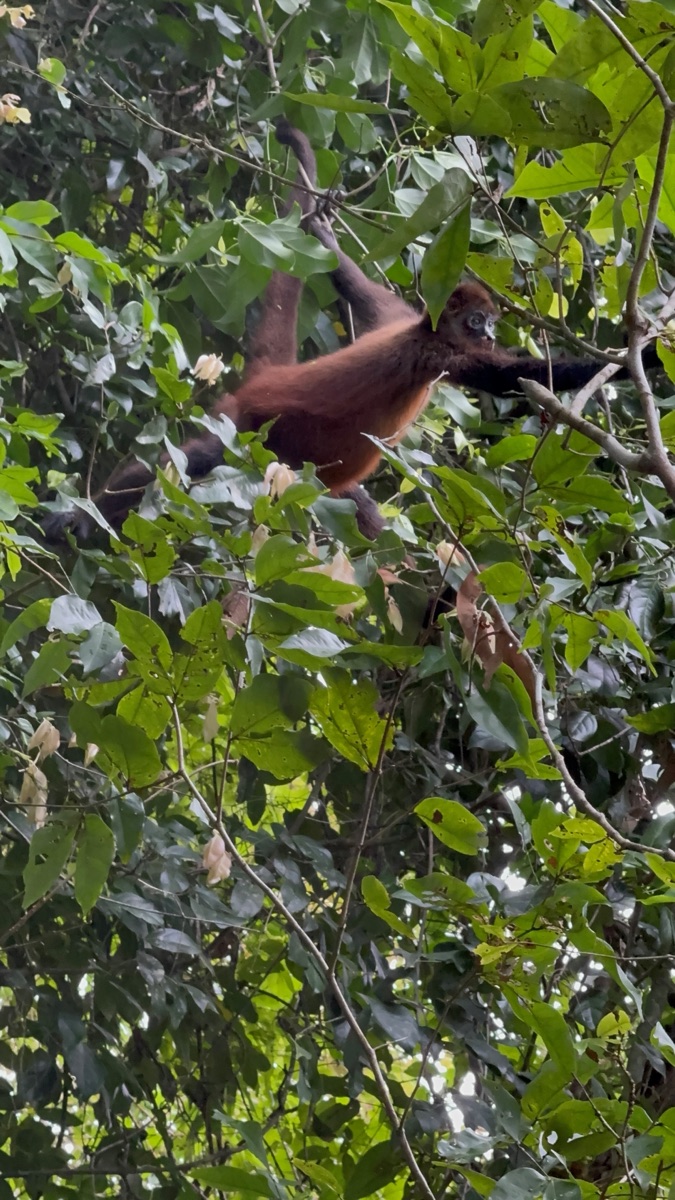
We’ve been to Costa Rica several times — La Fortuna and Arenal, Manuel Antonio, Monteverde, Tamarindo, Nosara, Papagayo. Osa is unlike any of them. It’s sparsely populated, hard to reach, full of authentic adventure, and the only place in the country where you can see all four monkey species, tapirs, anteaters, and (if you’re very lucky) jaguars and ocelots.
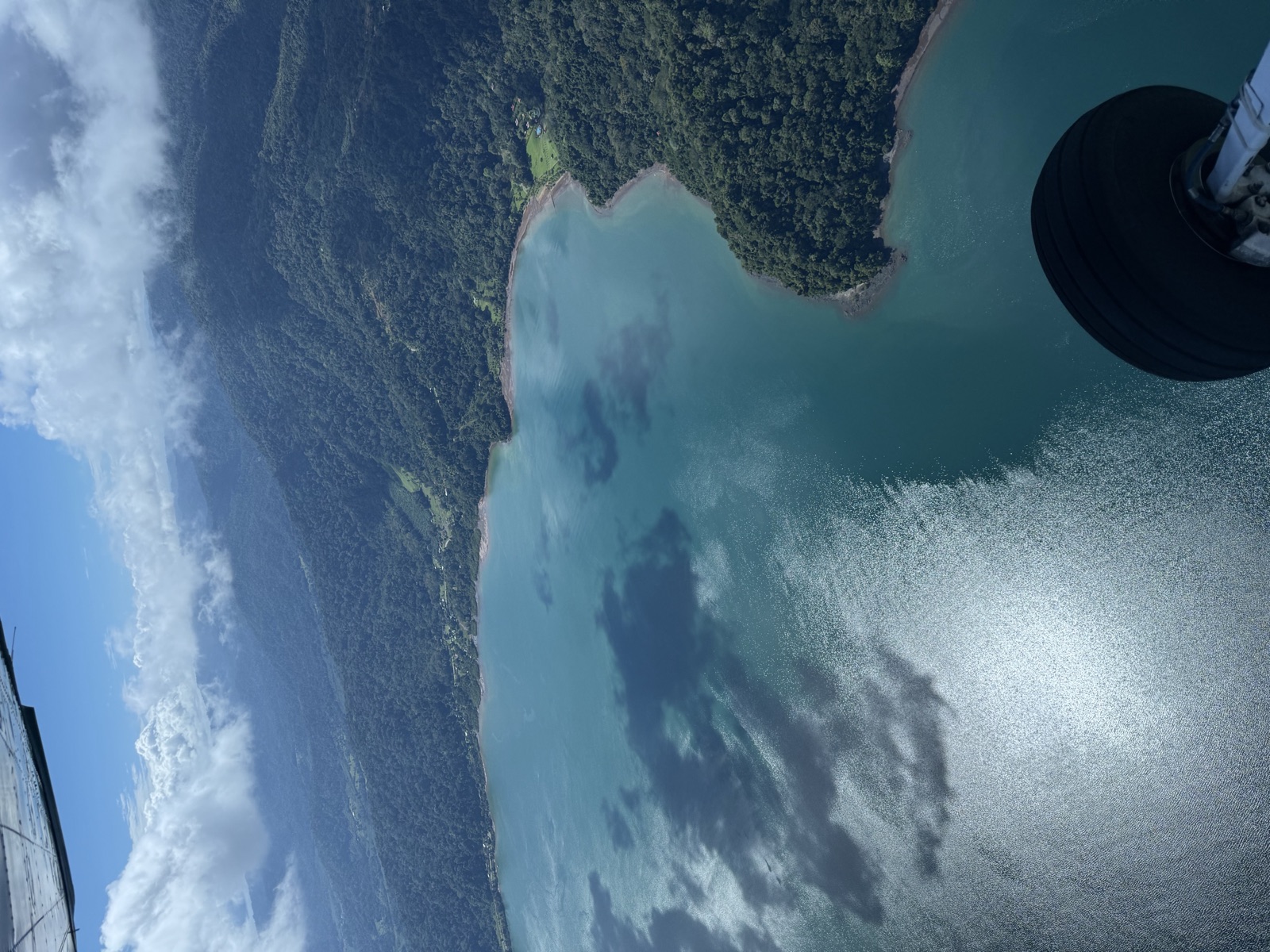
Getting there: small planes only
Your best bet is to fly from San José to Puerto Jiménez on Costa Rica Green Airways or Sansa. There are no direct flights from Liberia — driving is 8 to 10 hours.
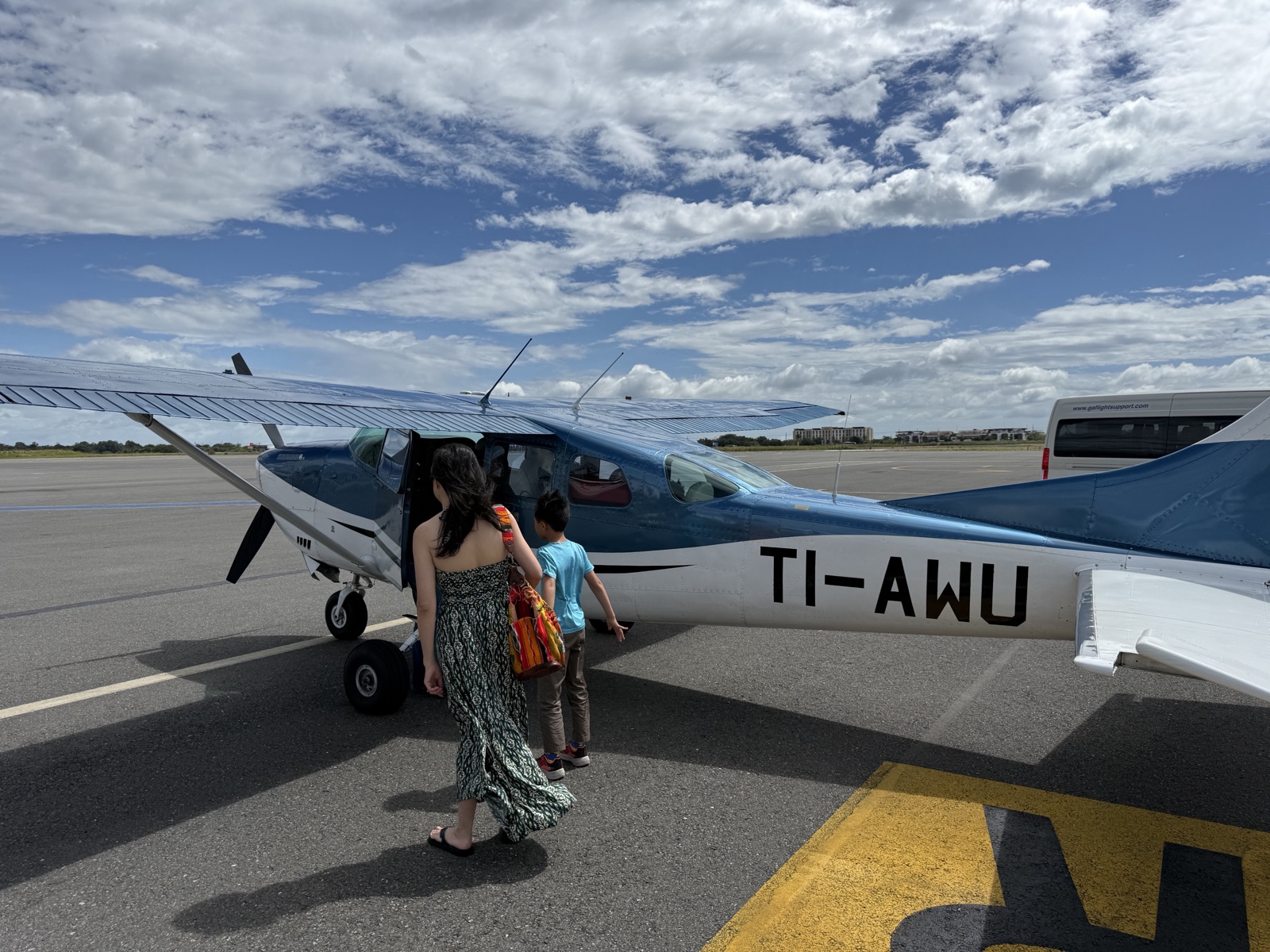
We were short on time and needed to get from Papagayo to Osa, so we chartered a flight in the tiniest 5-seater plane I’ve ever sat in. Smaller than a minivan. And the smaller the plane, the scarier it is. Even the commercial flights from San José are small — 8 to 12-seater Cessnas — and that felt huge after our charter. We took one of the commercial flights back.
Corcovado: what to expect on the day hike
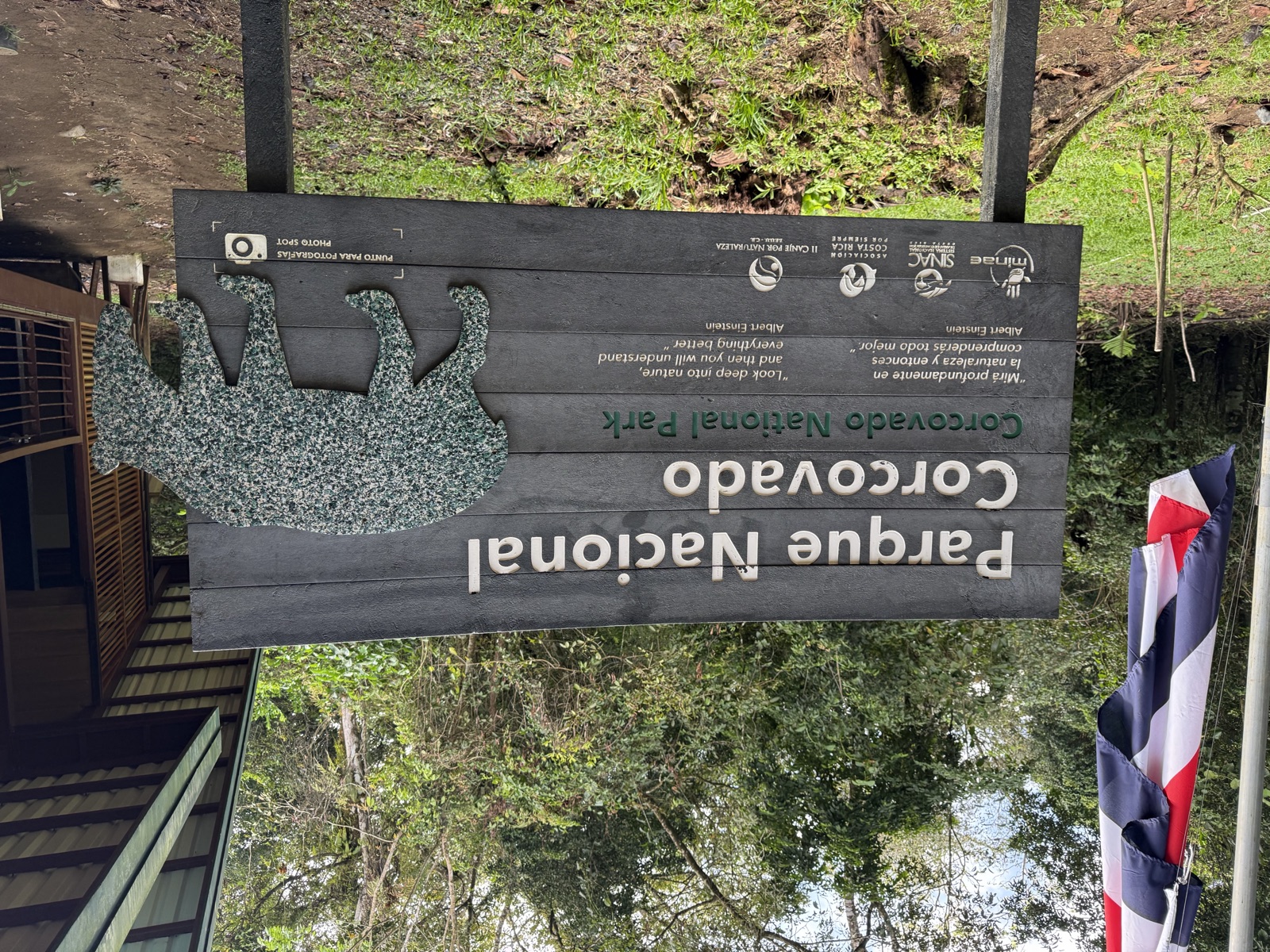
Book six months ahead. You can reserve directly with the park service (paying by bank transfer can be a headache), or have your lodge or guide handle it. Honestly, just have your lodge handle it.
Only guided hikes are allowed. You’ll enter with a licensed guide. There are a few options:
- 3–4 hour day hike from Drake Bay to La Sirena station, after a 90-minute boat ride each way.
- Overnight stay at La Sirena.
- 6 to 8-hour hike from La Leona to Sirena station.
We went for the short day hike. A friend who did the long version said it involved waiting on the beach for the tide to recede so they could cross. Glad we didn’t try that with the kids.
Even the “easy” version is not easy.
Skip it if you get motion sickness. The boat ride is bumpy and you’ll get wet. As you approach Corcovado, the boats pull over near some small islands so everyone can get ready to disembark — belongings into dry bags, shoes and socks off and secured, convertible pants unzipped.
You also get to see the boobies (the seabirds — hundreds of them). Our guide said blue-footed boobies occasionally show up around Corcovado, though I didn’t expect to hear that outside the Galápagos and spent the rest of the boat ride hanging halfway out trying to spot one. I saw plenty of brown boobies. No blue-footed.
We arrived at low tide and got off into mid-shin-deep water and hiked across to the beach. There’s a station to rinse the sand off and put your hiking shoes back on. Then you check in and head out with your guide.
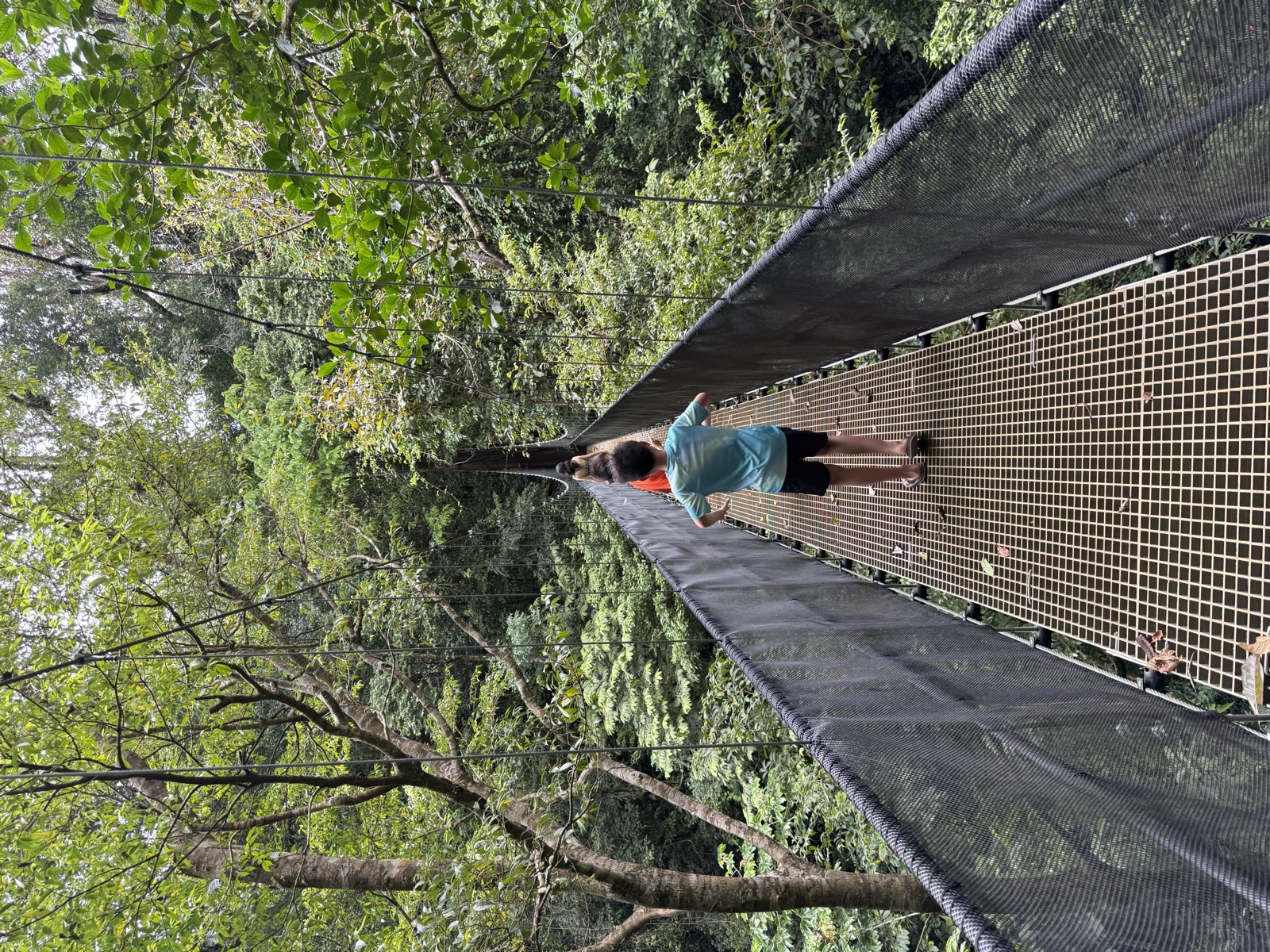
There are eight interconnected trails at Sirena. The rainforest is exactly as advertised — hot, humid, sudden hard rain. Easy walking (flat, no elevation) but you trudge through a lot of mud. This is the real deal.
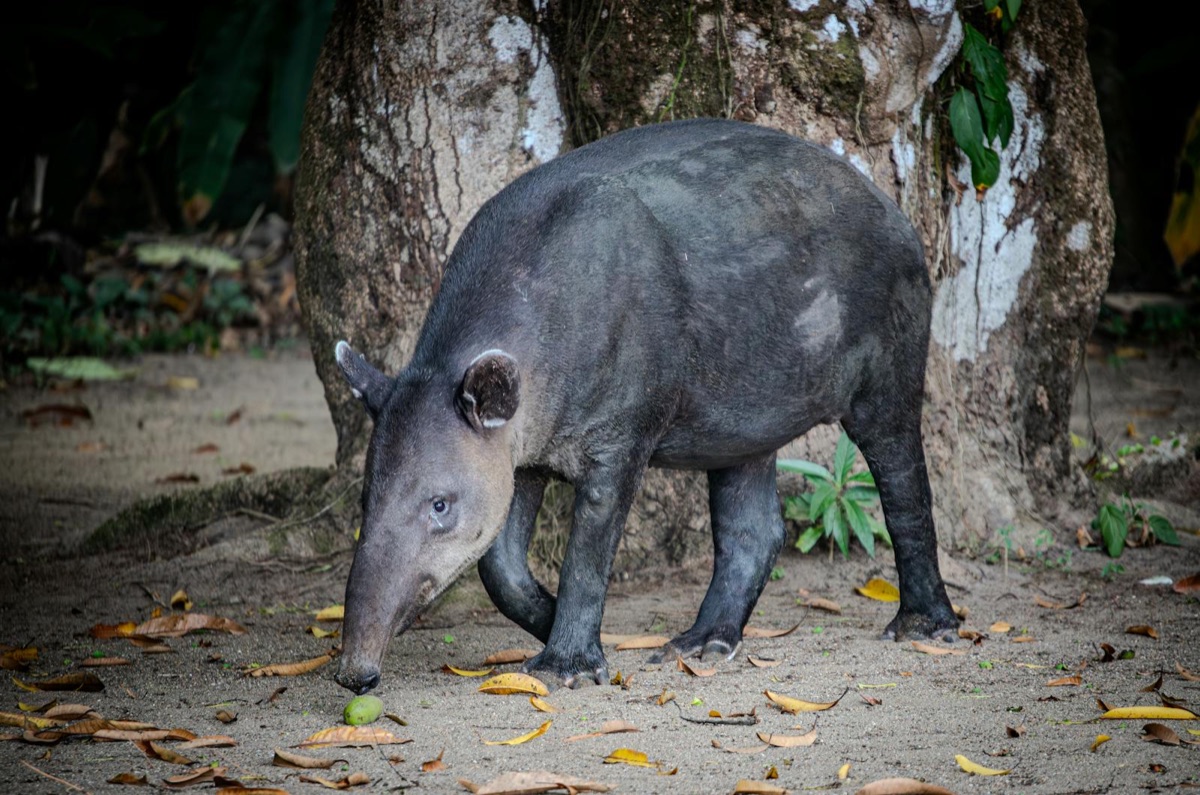
We didn’t see jaguars or ocelots. We did see a tapir and an anteater. After about four hours of hiking you head back to the station for a included lunch, which you have earned.
Getting back on the boat is the hard part
Low tide on the way in, high tide on the way out. The rocks are slippery and the current is strong.
- Secure everything in a dry bag — you’ll be wet from the waist down at minimum.
- One adult per kid. If the water’s waist-high on an adult, it’s chest-high on a kid. Easy to get knocked off your feet or pushed back a few feet.
- The guides help pull kids onto the boat, but it’s dicey.
I would not attempt this with kids under about 10, and absolutely not with toddlers or kids who can’t swim.
What to pack for the day hike
- Dry bag that wears as a backpack (the bottom will get wet)
- Spare dry socks and a small towel
- Poncho (and a cover for your camera — bring something with better zoom than an iPhone)
- Hat and strong sunscreen — you’re at the equator
- Water shoes for the wet landings, or go barefoot and accept that re-boarding will be unpleasant
The turtle release at Osa Conservation
Corcovado is the headliner, but the morning we spent with Osa Conservation might be the best memory of the whole trip.
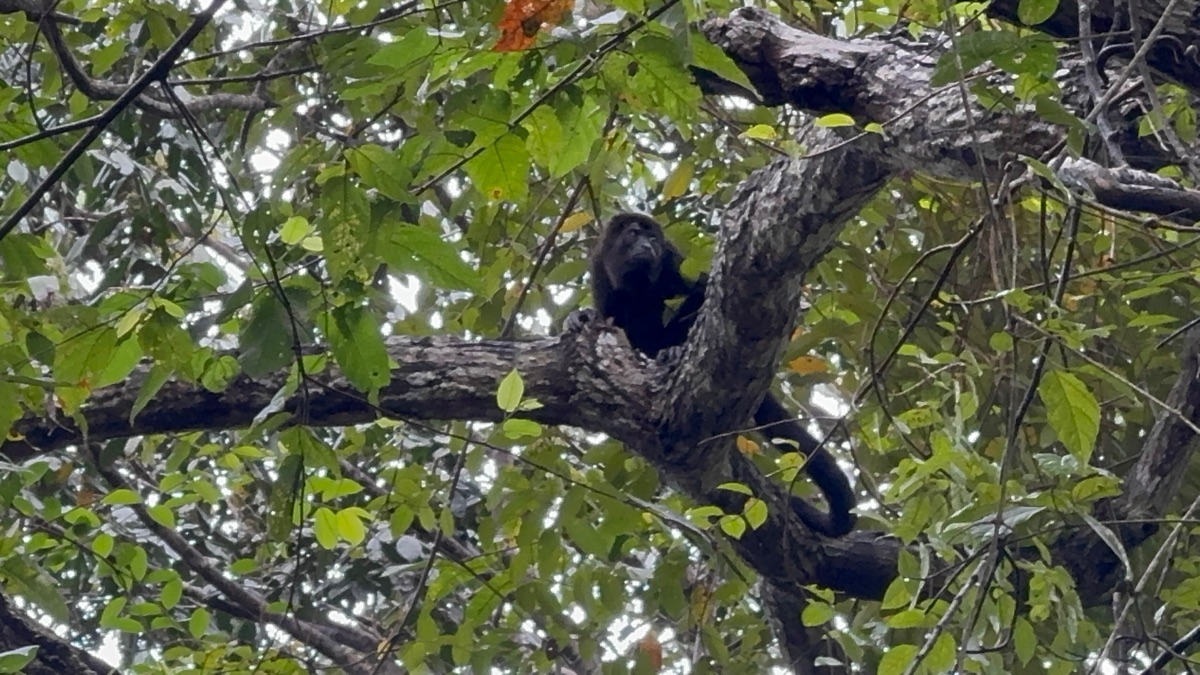
We booked a day tour to help release turtle hatchlings. You arrive at 5:30 AM, when it’s pitch black and the howler monkeys are active and loud enough to be genuinely unsettling. You hike across a river and through muddy terrain and come out on a gorgeous sandy beach in time for sunrise.
At the nesting site, you help volunteers dig holes and deposit eggs into wired-off areas to protect them from coatis and other predators. If there are hatchlings that morning, you get to release one into the sea.
There was only one hatchling our day — it’s nature, nothing is staged — but one was all my kids needed. The day before us had a ton. We held this baby Olive Ridley, took photos, set him down, and watched for predators while he made his way to the water. I can’t put into words how special this was.
Where to stay: El Remanso
El Remanso is perched in the hills of Matapalo with a view of the Pacific that I will think about for a long time. All meals are included, plus several on-site activities. They charge extra for drinks and the bigger excursions (Corcovado, ziplining, surf lessons).
What sold me was the concierge experience. They’ll bend over backwards to arrange anything you book independently — when we did the Osa Conservation tour, they arranged our ride and sent a staff guide with us, on top of the Osa Conservation guide. You can prebook the activities you know you want. We booked surf lessons and a 4x4 safari after we arrived.
I was nervous about the kids surfing, but our instructor Pollo (who owns a local surf school) was patient and taught them on the beach before they hit the water. The 4x4 safari took us through the canopies looking for monkeys and sloths and ended at Matapalo beach — not another person in any direction. The only other beach I’ve been to that empty is the one off El Remanso.
The food
The freshest local ingredients, most of it grown on site. They have meat options, but the vegetarian dishes were the standouts — the vegetables were so fresh and sweet that I, a non-vegetarian, kept ordering them. The mango and papaya juice were equally on point.
The rooms
We stayed in the 2-bedroom 2-story deluxe double villa for most of our stay. Worth knowing: there’s only one of these, so book early if you want the extra space. It wasn’t available our first night, so I booked a regular deluxe villa with a plunge pool — and honestly, that has enough room for a family of four to be comfortable. I’m just extra, so I checked out the double too.
Heads up for families with young kids: the upstairs bedroom in the double villa is accessed by exterior stairs, so you’ll walk the kids up at night and they’ll need a key card if they come down to your room. Better for older kids. Younger kids: stay in the regular deluxe villa, save money, sleep easier.
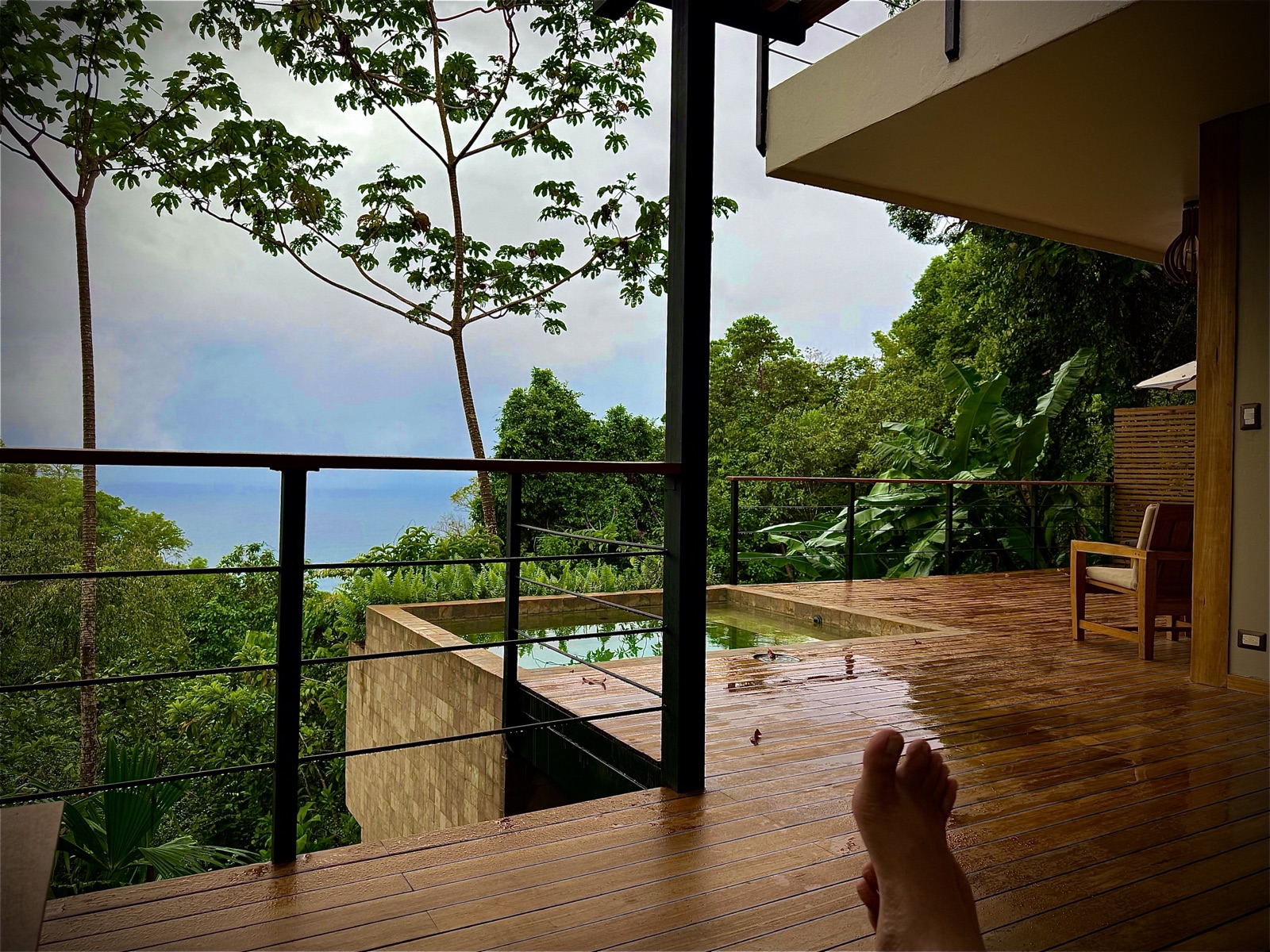
It is an eco lodge
You are out in the jungle. You’ll have bugs in your room. You’ll see bats at dusk. You’ll also have toucans and monkeys in the trees right outside.
Rooms get dark at night and there’s no AC — didn’t bother us, the fan worked well, and the temperature drops at night with the sea breeze. The lodge runs on solar, so they ask you not to use blow dryers. I was channeling my African safari fan-dry technique when the front desk kindly told me I could go ahead and use mine. Phew.
My husband says my vacations have a theme: malaria prophylaxis, treating clothes for mosquitoes, no internet, no blow dryers. He’s not wrong. If this high-maintenance gal who likes dry hair can survive, so can you.
About that internet — it’s nonexistent in the rooms, weak at best in the restaurant and lobby. But you’re going to Osa to detox from tech, right?
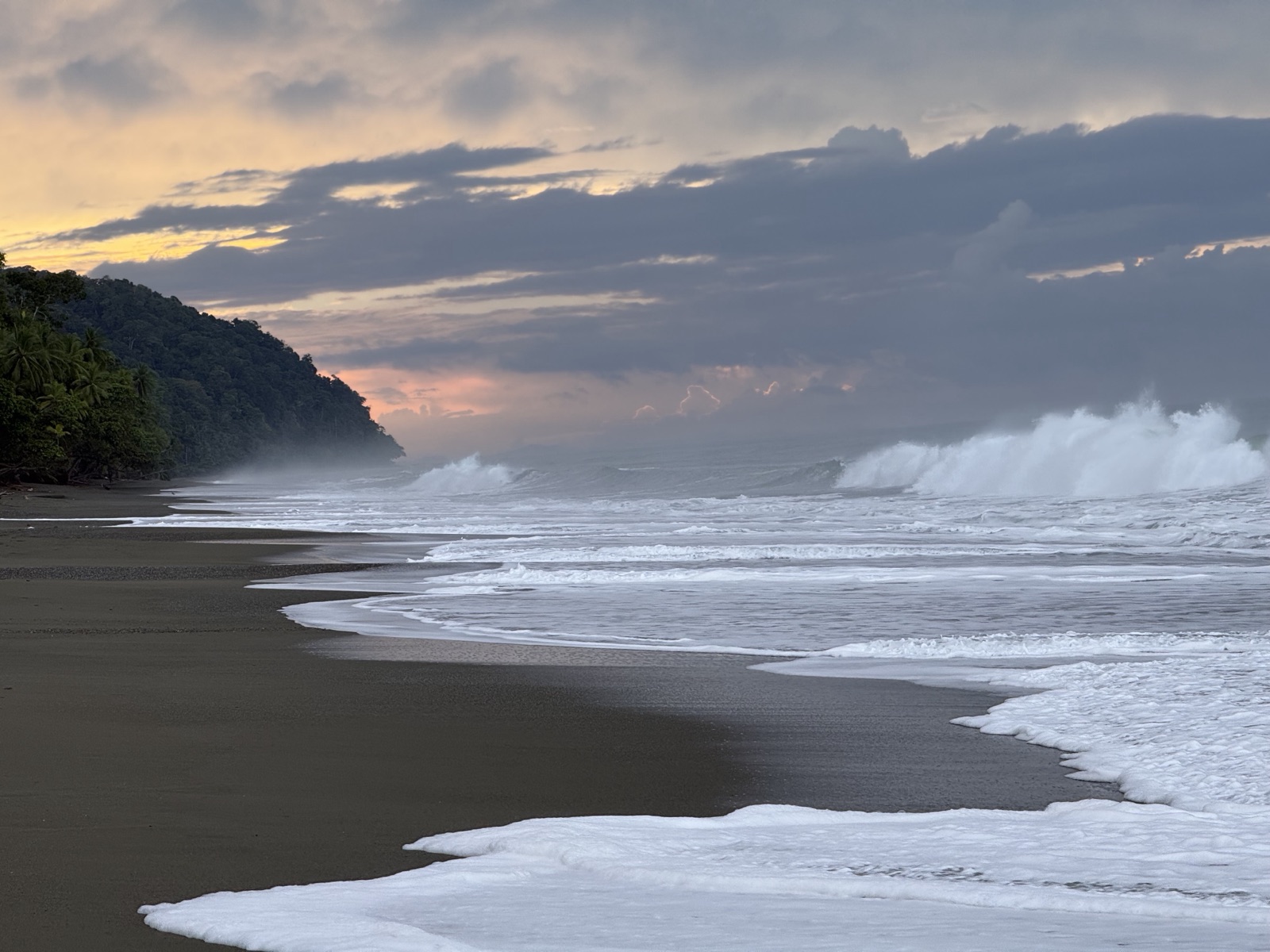
The beach below the property
There are stairs at the edge of the property that go down to the beach. About 20 minutes down, 30 to 40 back up. Some elevation. The reward: a pristine uninhabited beach. One other couple passed us on their way up — that was it. Nobody in any direction.
I didn’t let the kids wade in. No lifeguard, no other human in sight. I wasn’t worried about safety, just wasn’t taking chances. I kept expecting another family to walk down. Nobody did.
Wildlife you might see in Osa
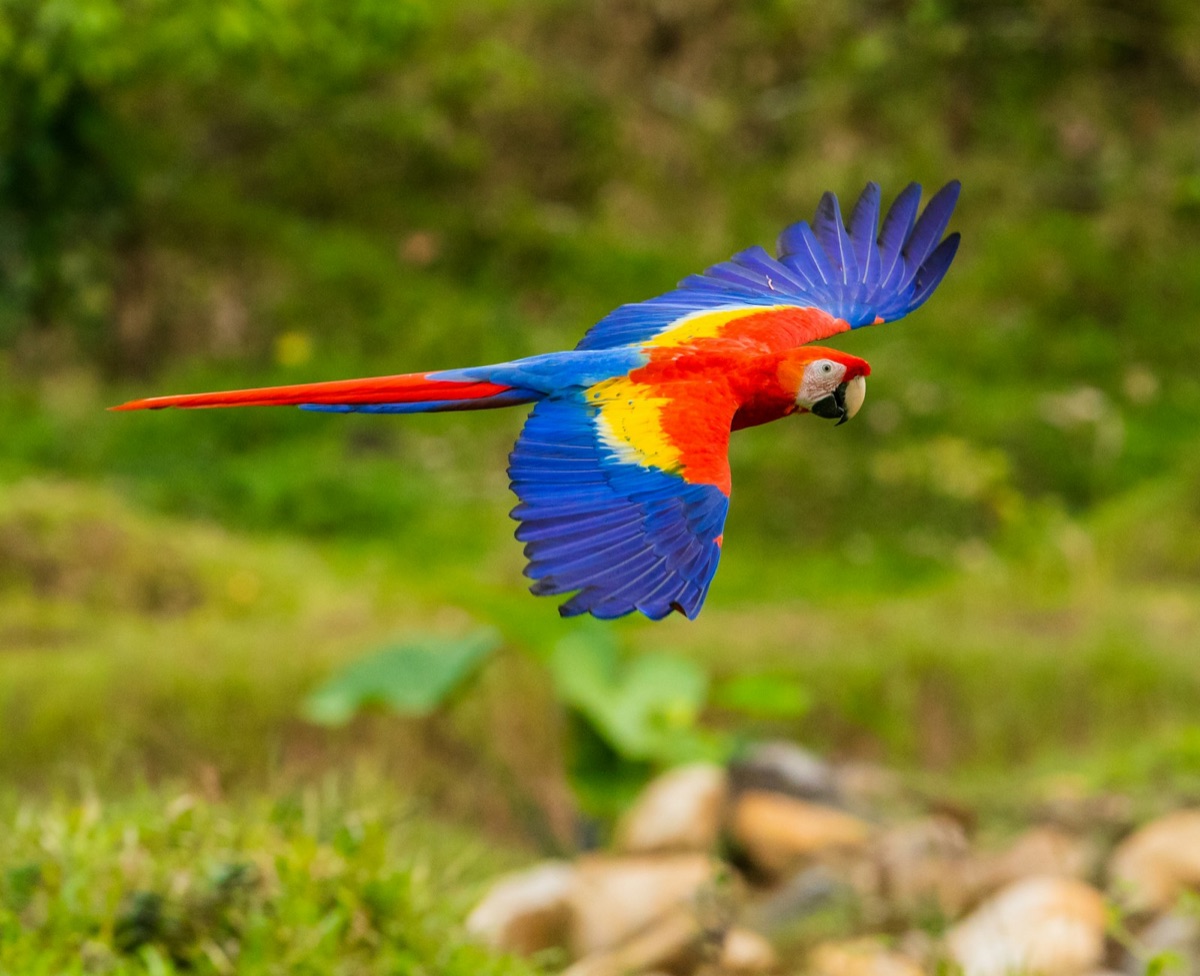
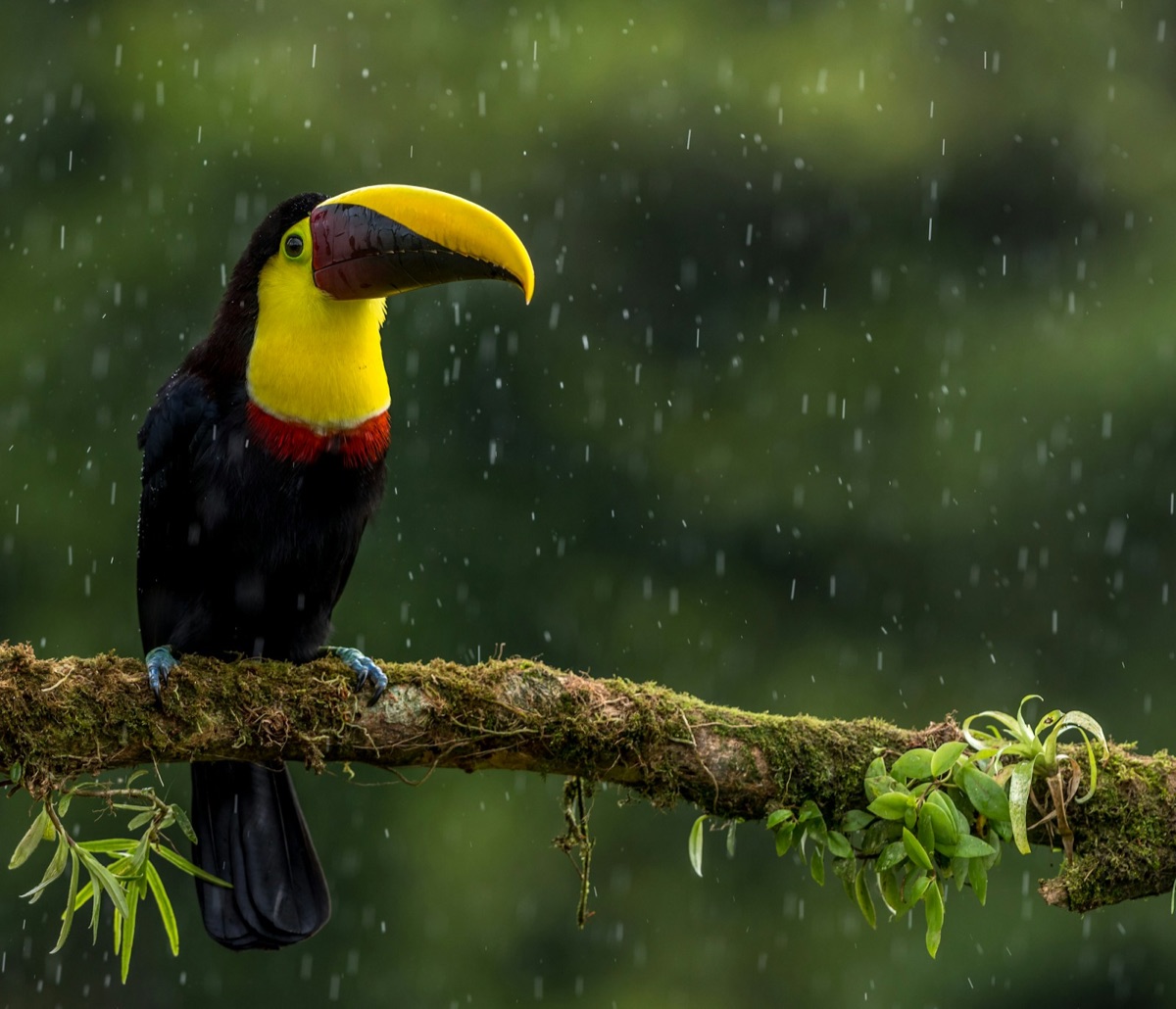
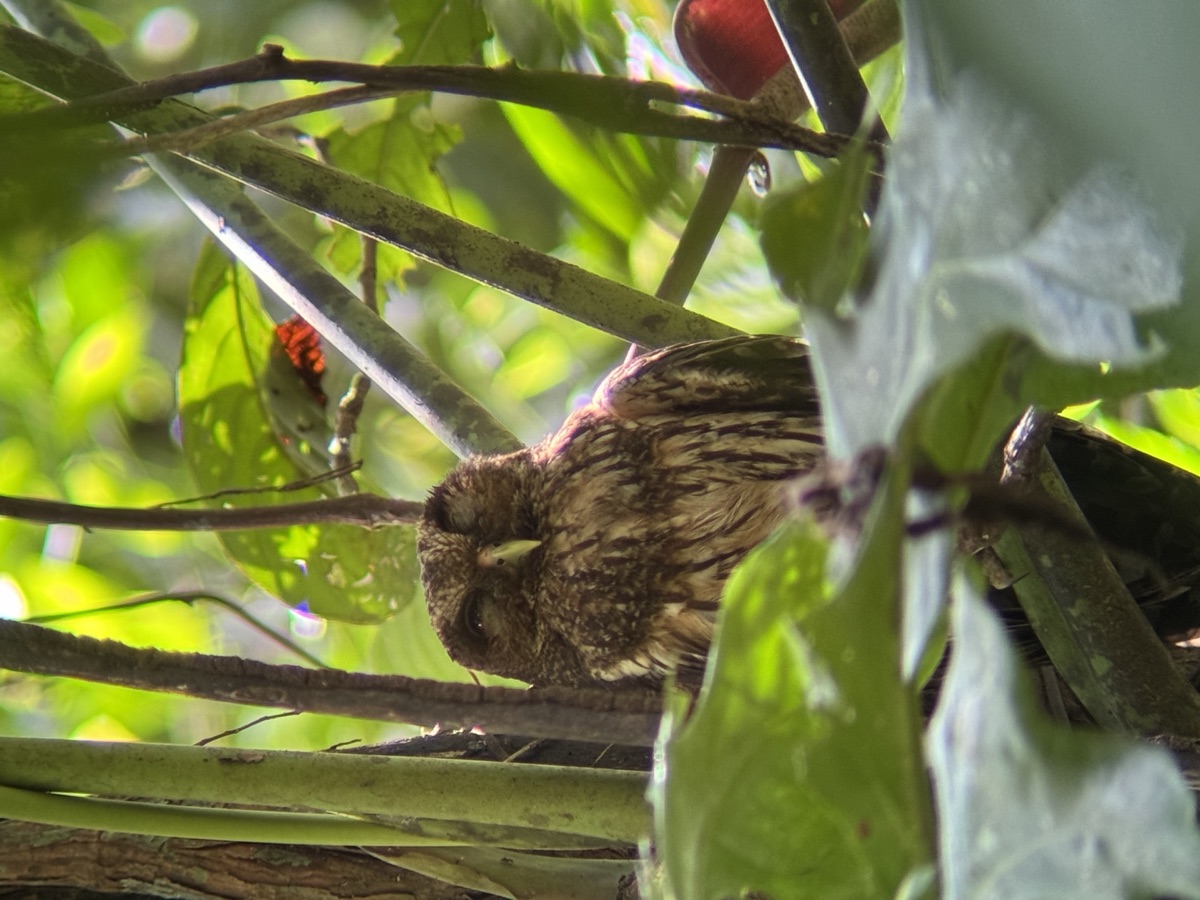
The Osa Peninsula holds 2.5% of the world’s biodiversity. A short list of what’s out there:
Should you go?
Osa feels like what Costa Rica was before mass tourism arrived. Wild, beautiful, empty, serene. The last untouched corner of the country.
A few notes if you’re considering it:
- Best with kids 10 and up. Younger if they’re strong swimmers and you skip Corcovado.
- Plan around the seasons. dry season (December–April) vs green season, where rains return (May through November)
- Build in at least 3–4 nights. Getting there is a project; you want time to settle in.
This was a trip I took before I started writing about travel, but it stuck with me so much that I got set up to book El Remanso directly for my clients. If a wild week in Osa with the concierge handling every booking sounds like your kind of trip, send me a note.